Showing posts with label Technology. Show all posts
Showing posts with label Technology. Show all posts
Wednesday, April 11, 2012
Improbable PC pioneer
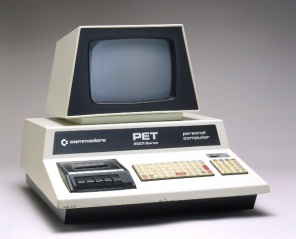
The PC industry is so young that a remarkable percentage of its most significant figures are still with us. But it lost a key one on Sunday when Jack Tramiel, the founder of Commodore, died at 83. Commodore was one of the first important PC companies, and Tramiel, in his own idiosyncratic manner, played a vital role in getting the PC revolution underway.


Tuesday, October 18, 2011
Audio systems pioneer
Edgar Villchur, who went from repairing radios in his New York City shop to inventing ground-breaking audio equipment and hearing aids, has died, his family said Tuesday. He was 94.Villchur's daughter, Miriam Villchur Berg, said her father died of natural causes Monday at his Woodstock home.
After serving as an Army electronics officer in World War II, the Manhattan native opened a radio repair shop in Greenwich Village, where he built custom home high-fidelity sets. He moved to Woodstock in 1952, and it was while living there and teaching an acoustics class at New York University that he came up with the idea for the acoustic suspension loudspeaker, said Berg, of Woodstock. The closed-cabinet device was much smaller than the audio equipment of the era, and Villchur's invention was credited with bringing hi-fi into people's homes. His AR-3 speaker is on display in the Smithsonian Institute.
"He found that loudspeakers didn't need to be six feet tall. They could sit on a book shelf," his daughter told The Associated Press.
After serving as an Army electronics officer in World War II, the Manhattan native opened a radio repair shop in Greenwich Village, where he built custom home high-fidelity sets. He moved to Woodstock in 1952, and it was while living there and teaching an acoustics class at New York University that he came up with the idea for the acoustic suspension loudspeaker, said Berg, of Woodstock. The closed-cabinet device was much smaller than the audio equipment of the era, and Villchur's invention was credited with bringing hi-fi into people's homes. His AR-3 speaker is on display in the Smithsonian Institute.
"He found that loudspeakers didn't need to be six feet tall. They could sit on a book shelf," his daughter told The Associated Press.
Thursday, June 16, 2011
Standardized barcodes
Barcodes, also known as universal price codes, were invented in 1949 by Norman Woodland and Bernard Silver, who had the idea of vertically extending the dots and dashes of Morse code and using it to encode product data. They secured a patent in 1952, but because scanning technology was in its infancy, their invention went largely unused.
In the early 1970s Haberman, executive vice president of First National Stores in Boston, convened a committee to choose a standard symbol that could be used across America.
Despite resistance from conspiracy theorists, who considered barcodes to be intrusive surveillance technology, and from some Christians who thought the codes hid the number 666, more than five billion of the codes are now scanned in shops worldwide every day; the technology has yielded savings running into the trillions of dollars.
The devil is in the barcode? Oy.
In the early 1970s Haberman, executive vice president of First National Stores in Boston, convened a committee to choose a standard symbol that could be used across America.
Despite resistance from conspiracy theorists, who considered barcodes to be intrusive surveillance technology, and from some Christians who thought the codes hid the number 666, more than five billion of the codes are now scanned in shops worldwide every day; the technology has yielded savings running into the trillions of dollars.
The devil is in the barcode? Oy.
Thursday, February 10, 2011
Built DEC into a power
A pioneer in computing, but short-sighted when it came to personal computers.
Ken Olsen helped reshape the computer industry as a founder of the Digital Equipment Corporation, at one time the world’s second-largest computer company ... built Digital on $70,000 in seed money, founding it with a partner in 1957 in the small Boston suburb of Maynard, Mass. With Mr. Olsen as its chief executive, it grew to employ more than 120,000 people at operations in more than 95 countries, surpassed in size only by I.B.M. At its peak, in the late 1980s, Digital had $14 billion in sales and ranked among the most profitable companies in the nation. But its fortunes soon declined after Digital began missing out on some critical market shifts, particularly toward the personal computer. Mr. Olsen was criticized as autocratic and resistant to new trends. “The personal computer will fall flat on its face in business,” he said at one point
Ken Olsen helped reshape the computer industry as a founder of the Digital Equipment Corporation, at one time the world’s second-largest computer company ... built Digital on $70,000 in seed money, founding it with a partner in 1957 in the small Boston suburb of Maynard, Mass. With Mr. Olsen as its chief executive, it grew to employ more than 120,000 people at operations in more than 95 countries, surpassed in size only by I.B.M. At its peak, in the late 1980s, Digital had $14 billion in sales and ranked among the most profitable companies in the nation. But its fortunes soon declined after Digital began missing out on some critical market shifts, particularly toward the personal computer. Mr. Olsen was criticized as autocratic and resistant to new trends. “The personal computer will fall flat on its face in business,” he said at one point
Monday, September 13, 2010
Invasion of the Body Snatchers
Kevin McCarthy, the suave, square-jawed actor who earned accolades in stage and screen productions of “Death of a Salesman” but will always be best known as the star of the 1956 science fiction movie “Invasion of the Body Snatchers,” died Saturday at Cape Cod Hospital in Hyannis, Mass. He was 96 and lived in Sherman Oaks, Calif. His death was confirmed by his daughter Lillah McCarthy.
That is not how I remember him, at all. Although, if I try to nail down a specific role or film, I can not do so easily. A look at his filmography shows a lot of TV work: 203 entries going back to 1944.
Mr. McCarthy, whose sister was the celebrated author Mary McCarthy, was 35 and a veteran of seven Broadway plays when Elia Kazan cast him as Biff, the shallow, elder son of Willy Loman, in the London stage production of “Death of a Salesman,” Arthur Miller’s Pulitzer Prize-winning 1949 drama about illusion and the common man. His portrayal of Biff in the 1951 film version earned him an Oscar nomination for best supporting actor.
 Five years and four forgettable films later Mr. McCarthy was cast in a low-budget B movie about a small California town where the residents are gradually replaced by pods from outer space. The pods, resembling giant cucumbers, bubble and foam as they slowly turn into creepy, emotionless duplicates of the townspeople. Miles Bennell (Mr. McCarthy), a handsome bachelor doctor, and Becky Driscoll (Dana Wynter), a beautiful local divorcée, spend the movie trying to escape podification (mostly just by staying awake; the transformation takes place while people are sleeping) and warn others. The movie, selected for the National Film Registry in 1994 and named one of the Top 10 science fiction films of all time by the American Film Institute in 2008, came to be regarded as a metaphor for the paranoia of the era’s Communist witch hunts. But the film’s leading man, like many moviegoers at the time, saw it differently, as a warning about mindless conformity.
United Artists-Kevin McCarthy and Dana Wynter in “Invasion of the Body Snatchers” (1956)
“I thought it was really about the onset of a kind of life where the corporate people are trying to tell you how to live, what to do, how to behave,” Mr. McCarthy told The Bangor Daily News in Maine in 1997.
Over the decades Mr. McCarthy came to embrace the cult immortality he achieved with “Body Snatchers,” but he cheerily played hundreds of other roles in feature films and on television (including multiple appearances on series from “Studio One” in the 1950s to “The District” in 2000) and continued his stage career. He toured the United States as Harry S. Truman in the one-man show “Give ’Em Hell, Harry” for two decades.
Kevin McCarthy was born on Feb. 15, 1914, in Seattle, the son of Roy Winfield McCarthy and the former Therese Preston. Both parents died in the influenza epidemic of 1918, and their four children were sent to live with relatives in Minneapolis. After five years of near-Dickensian mistreatment, described in Ms. McCarthy’s memoirs, the youngsters moved in with their maternal grandfather. After graduating from high school in Wisconsin, Mr. McCarthy studied at the School of Foreign Service at Georgetown University, with an eye toward a diplomatic career. He changed his mind, however, and transferred to the University of Minnesota, where he became interested in acting. After moving to New York he made his Broadway debut in 1938 in “Abe Lincoln in Illinois.” His career was interrupted by World War II, in which he served as a military police officer. After his discharge he became an early member of the Actors Studio, New York’s bastion of Method acting.
Despite his film and television success Mr. McCarthy never abandoned the stage. The 18 Broadway productions in which he appeared included Moss Hart’s “Winged Victory” (in which he was billed as Sgt. Kevin McCarthy), the political drama “Advise and Consent,” Chekhov’s “Three Sisters” and Kurt Vonnegut’s irreverent “Happy Birthday, Wanda June.” Mr. McCarthy matured quickly into roles as judges, generals, politicians and other men of power — sometimes not very nice ones. On “Flamingo Road,” the soapy 1980s television series, he was a greedy small-town Florida millionaire. On the screen, in “The Best Man” (1964), he was a presidential candidate’s henchman, specializing in dirty tricks, and he played a similarly ignoble political type in “The Distinguished Gentleman” (1992). In “Innerspace” (1987) he was a devious industrial spy, in “Buffalo Bill and the Indians” (1976), a grabby publicist.
And although he did relatively little science fiction after “Body Snatchers,” he did star in the horror comedy “Piranha” (1978) as a mad scientist breeding killer fish. He also made a cameo appearance in the 1978 remake of “Body Snatchers,” playing a man who throws himself at the car driven by Donald Sutherland (the remake’s star), shouting, “Help! They’re coming! Listen to me!” and sounding much like his character in the original film. His bad guys weren’t always all bad. He was a roguish poker player in “A Big Hand for the Little Lady” (1966) and Marilyn Monroe’s attractive but distant ex-husband in “The Misfits” (1961).
Mr. McCarthy continued acting well into his 90s. His last screen appearances were in 2009 in “Wesley,” (2008), an 18th-century costume drama, and the short film “I Do.” He married the actress Augusta Dabney in 1941, and they had three children. They divorced in 1961. (Ms. Dabney died in 2008.) In 1979 he married Kate Crane, a lawyer, and they had two children. Ms. Crane survives him, as do three daughters, Lillah, of Los Angeles; Mary Dabney McCarthy, of Cape Cod; and Tess McCarthy, of New York City; two sons, James Kevin McCarthy of San Diego and Patrick McCarthy of Portland, Ore.; a stepdaughter, Kara Lichtman of Boston; a brother, Preston; and three grandchildren. Mr. McCarthy’s sister died in 1989.
 Interviewers rarely asked him about subjects beyond “Invasion of the Body Snatchers.” (He loved to tell the story about leaving Ms. Wynter a nostalgic trans-Atlantic telephone message: “Becky, it’s Miles. Wake up!”) But in 1991 he told a critic for The San Diego Union-Tribune about his feeling that purposeful employment was a remedy for many ills. “I try to get as much work as I possibly can,” Mr. McCarthy, then 77, said. “I love to work. I love to be in things.”
September 12, 2010 - Kevin McCarthy, Actor, Dies at 96
By ANITA GATES
That is not how I remember him, at all. Although, if I try to nail down a specific role or film, I can not do so easily. A look at his filmography shows a lot of TV work: 203 entries going back to 1944.
Mr. McCarthy, whose sister was the celebrated author Mary McCarthy, was 35 and a veteran of seven Broadway plays when Elia Kazan cast him as Biff, the shallow, elder son of Willy Loman, in the London stage production of “Death of a Salesman,” Arthur Miller’s Pulitzer Prize-winning 1949 drama about illusion and the common man. His portrayal of Biff in the 1951 film version earned him an Oscar nomination for best supporting actor.

United Artists-Kevin McCarthy and Dana Wynter in “Invasion of the Body Snatchers” (1956)
“I thought it was really about the onset of a kind of life where the corporate people are trying to tell you how to live, what to do, how to behave,” Mr. McCarthy told The Bangor Daily News in Maine in 1997.
Over the decades Mr. McCarthy came to embrace the cult immortality he achieved with “Body Snatchers,” but he cheerily played hundreds of other roles in feature films and on television (including multiple appearances on series from “Studio One” in the 1950s to “The District” in 2000) and continued his stage career. He toured the United States as Harry S. Truman in the one-man show “Give ’Em Hell, Harry” for two decades.
Kevin McCarthy was born on Feb. 15, 1914, in Seattle, the son of Roy Winfield McCarthy and the former Therese Preston. Both parents died in the influenza epidemic of 1918, and their four children were sent to live with relatives in Minneapolis. After five years of near-Dickensian mistreatment, described in Ms. McCarthy’s memoirs, the youngsters moved in with their maternal grandfather. After graduating from high school in Wisconsin, Mr. McCarthy studied at the School of Foreign Service at Georgetown University, with an eye toward a diplomatic career. He changed his mind, however, and transferred to the University of Minnesota, where he became interested in acting. After moving to New York he made his Broadway debut in 1938 in “Abe Lincoln in Illinois.” His career was interrupted by World War II, in which he served as a military police officer. After his discharge he became an early member of the Actors Studio, New York’s bastion of Method acting.
Despite his film and television success Mr. McCarthy never abandoned the stage. The 18 Broadway productions in which he appeared included Moss Hart’s “Winged Victory” (in which he was billed as Sgt. Kevin McCarthy), the political drama “Advise and Consent,” Chekhov’s “Three Sisters” and Kurt Vonnegut’s irreverent “Happy Birthday, Wanda June.” Mr. McCarthy matured quickly into roles as judges, generals, politicians and other men of power — sometimes not very nice ones. On “Flamingo Road,” the soapy 1980s television series, he was a greedy small-town Florida millionaire. On the screen, in “The Best Man” (1964), he was a presidential candidate’s henchman, specializing in dirty tricks, and he played a similarly ignoble political type in “The Distinguished Gentleman” (1992). In “Innerspace” (1987) he was a devious industrial spy, in “Buffalo Bill and the Indians” (1976), a grabby publicist.
And although he did relatively little science fiction after “Body Snatchers,” he did star in the horror comedy “Piranha” (1978) as a mad scientist breeding killer fish. He also made a cameo appearance in the 1978 remake of “Body Snatchers,” playing a man who throws himself at the car driven by Donald Sutherland (the remake’s star), shouting, “Help! They’re coming! Listen to me!” and sounding much like his character in the original film. His bad guys weren’t always all bad. He was a roguish poker player in “A Big Hand for the Little Lady” (1966) and Marilyn Monroe’s attractive but distant ex-husband in “The Misfits” (1961).
Mr. McCarthy continued acting well into his 90s. His last screen appearances were in 2009 in “Wesley,” (2008), an 18th-century costume drama, and the short film “I Do.” He married the actress Augusta Dabney in 1941, and they had three children. They divorced in 1961. (Ms. Dabney died in 2008.) In 1979 he married Kate Crane, a lawyer, and they had two children. Ms. Crane survives him, as do three daughters, Lillah, of Los Angeles; Mary Dabney McCarthy, of Cape Cod; and Tess McCarthy, of New York City; two sons, James Kevin McCarthy of San Diego and Patrick McCarthy of Portland, Ore.; a stepdaughter, Kara Lichtman of Boston; a brother, Preston; and three grandchildren. Mr. McCarthy’s sister died in 1989.

September 12, 2010 - Kevin McCarthy, Actor, Dies at 96
By ANITA GATES
Friday, May 7, 2010
Computer Pioneer Turned Investor, Activist
Max Palevsky made some of the first mainframe computers, then cashed out with one of the early personal fortunes in the computer industry. He became a flamboyant Democratic money man, movie producer and art collector. Mr. Palevsky, who died Wednesday at age 85, was co-founder of computer manufacturer Scientific Data Systems, which innovated with small mainframes based on silicon chips. Though never in the top tier of computer makers, SDS was profitable nearly from its inception in 1961.
"Many of us early workers in computers were philosophy majors," Mr. Palevsky told the Chicago Tribune in 1968. "You can imagine our surprise at being able to make rather comfortable livings."
So much so that just a year later, Xerox Corp., seeking to develop a digital complement to its imaging systems, paid $910 million in stock for the company at a time "when $1 billion meant something," as Mr. Palevsky once said. He walked away with about $100 million and became the chairman of Xerox's executive committee.
A philosophy major chairing an executive committee?
Mr. Palevsky used his fortune to fund a series of projects, including in 1970 an investment in the fledgling magazine Rolling Stone. "We were looking for a business counselor or adviser," magazine co-founder Jann Wenner said Thursday. "He was a restlessly curious individual." Mr. Palevsky served as chairman of Rolling Stone's board for a time, and befriended one of the magazine's writers, Hunter S. Thompson. Published letters to Mr. Palevsky from Mr. Thompson in 1973 record the writer's dismay that Mr. Palevsky had the temerity to ask for repayment of a $10,000 personal loan.
The association with Rolling Stone soon ended, too. "We had the typical Max falling out," Mr. Wenner said. "He could be very rigid."
Mmm. Wonder if that was simply a one-way street.
In 1972, Mr. Palevsky was for a time the largest contributor to George McGovern's presidential campaign. But he abruptly quit the campaign and gave interviews criticizing it as a slapdash organization. A year later, he was back in the arena as campaign manager for Tom Bradley's first successful run for mayor of Los Angeles. He was often associated with a group of wealthy, liberal donors known as the "Malibu Mafia."
Born and raised in Chicago, Mr. Palevsky was the son of Russian immigrants who spoke Yiddish at home. His father was a house painter. Mr. Palevsky often spoke darkly about his childhood. During World War II, he served as a meteorologist in the Army Air Corps, stationed in New Guinea. He then studied mathematics and philosophy at the University of Chicago. He embarked on an academic career but said he dropped out of graduate school after hearing a lecture on computers by John von Neumann, one of the fathers of computer science.
Starting in the 1950s, Mr. Palevsky worked on early computers at Bendix Corp., then helped Packard-Bell Electronics Corp. launch a computer affiliate. In 1961, he and several Packard-Bell colleagues launched SDS to produce small computers for scientists and industrial controls, a market that larger manufacturers such as International Business Machines Corp. had ignored.
Bendix? A familiar name. Car parts, supplies? ("Supplier of air brake and filtration systems to the heavy-duty commercial vehicle industry.") And, yes, indeed, Mary Cunningham was there when William Agee was CEO and launched a hostile takeover: the details are sketchy, but I remeber them both.
As an executive, Agee was recognized in Time Magazine for his creative vision that Bendix could break from its history of being a slow growth manufacturing company in a mature industry (automotive parts) by diversifying into high-tech through selective bold acquisitions. It was this diversification strategy that ultimately allowed the shareholders of Bendix to dramatically increase their stock value during his tenure despite a recession that afflicted two of its main businesses, automobile parts and machine tools. While competitors floundered in 1981, Bendix' profits increased 136% and revenues for its fiscal year rose to $4.4 billion.
Time magazine in 1967 hailed SDS for its innovations, but Xerox wasn't able to keep the company's profits rolling. It shuttered SDS, renamed Xerox Data Systems, in 1975.
One of the great all-time fiascos: Xerox leaving the computer industry, unable to make money.
Mr. Palevsky served for many years on the board of Intel Corp., but eventually abandoned the computer industry. In a 2001 interview with the Los Angeles Times, Mr. Palevsky proclaimed himself "a Luddite." He dabbled in the film business, producing "Fun With Dick and Jane" and "Islands in the Stream." He built up a collection of modern art and furniture from the arts and crafts era, much of which he donated to the Los Angeles County Museum of Art — though he once sued the museum, claiming it had promised to let him take charge of the architecture of a new gallery.
Maybe Jann Wenner was right, after all.
Mr. Palevsky's interest in politics persisted, and in the past decade his main cause was campaign-finance reform. In a statement of support in 2000 for Proposition 25, which would have limited campaign donations, he wrote, "I am making this million-dollar contribution in hopes that I will never again legally be allowed to write huge checks to California political candidates." But his ability to donate survived as the proposition failed.
REMEMBRANCES. MAY 7, 2010
Max Palevsky 1924-2010
Computer Pioneer Turned Investor, Activist
By STEPHEN MILLER. Printed in The Wall Street Journal, page A7
"Many of us early workers in computers were philosophy majors," Mr. Palevsky told the Chicago Tribune in 1968. "You can imagine our surprise at being able to make rather comfortable livings."
So much so that just a year later, Xerox Corp., seeking to develop a digital complement to its imaging systems, paid $910 million in stock for the company at a time "when $1 billion meant something," as Mr. Palevsky once said. He walked away with about $100 million and became the chairman of Xerox's executive committee.
A philosophy major chairing an executive committee?
Mr. Palevsky used his fortune to fund a series of projects, including in 1970 an investment in the fledgling magazine Rolling Stone. "We were looking for a business counselor or adviser," magazine co-founder Jann Wenner said Thursday. "He was a restlessly curious individual." Mr. Palevsky served as chairman of Rolling Stone's board for a time, and befriended one of the magazine's writers, Hunter S. Thompson. Published letters to Mr. Palevsky from Mr. Thompson in 1973 record the writer's dismay that Mr. Palevsky had the temerity to ask for repayment of a $10,000 personal loan.
The association with Rolling Stone soon ended, too. "We had the typical Max falling out," Mr. Wenner said. "He could be very rigid."
Mmm. Wonder if that was simply a one-way street.
In 1972, Mr. Palevsky was for a time the largest contributor to George McGovern's presidential campaign. But he abruptly quit the campaign and gave interviews criticizing it as a slapdash organization. A year later, he was back in the arena as campaign manager for Tom Bradley's first successful run for mayor of Los Angeles. He was often associated with a group of wealthy, liberal donors known as the "Malibu Mafia."
Born and raised in Chicago, Mr. Palevsky was the son of Russian immigrants who spoke Yiddish at home. His father was a house painter. Mr. Palevsky often spoke darkly about his childhood. During World War II, he served as a meteorologist in the Army Air Corps, stationed in New Guinea. He then studied mathematics and philosophy at the University of Chicago. He embarked on an academic career but said he dropped out of graduate school after hearing a lecture on computers by John von Neumann, one of the fathers of computer science.
Starting in the 1950s, Mr. Palevsky worked on early computers at Bendix Corp., then helped Packard-Bell Electronics Corp. launch a computer affiliate. In 1961, he and several Packard-Bell colleagues launched SDS to produce small computers for scientists and industrial controls, a market that larger manufacturers such as International Business Machines Corp. had ignored.
Bendix? A familiar name. Car parts, supplies? ("Supplier of air brake and filtration systems to the heavy-duty commercial vehicle industry.") And, yes, indeed, Mary Cunningham was there when William Agee was CEO and launched a hostile takeover: the details are sketchy, but I remeber them both.
As an executive, Agee was recognized in Time Magazine for his creative vision that Bendix could break from its history of being a slow growth manufacturing company in a mature industry (automotive parts) by diversifying into high-tech through selective bold acquisitions. It was this diversification strategy that ultimately allowed the shareholders of Bendix to dramatically increase their stock value during his tenure despite a recession that afflicted two of its main businesses, automobile parts and machine tools. While competitors floundered in 1981, Bendix' profits increased 136% and revenues for its fiscal year rose to $4.4 billion.
Time magazine in 1967 hailed SDS for its innovations, but Xerox wasn't able to keep the company's profits rolling. It shuttered SDS, renamed Xerox Data Systems, in 1975.
One of the great all-time fiascos: Xerox leaving the computer industry, unable to make money.
Mr. Palevsky served for many years on the board of Intel Corp., but eventually abandoned the computer industry. In a 2001 interview with the Los Angeles Times, Mr. Palevsky proclaimed himself "a Luddite." He dabbled in the film business, producing "Fun With Dick and Jane" and "Islands in the Stream." He built up a collection of modern art and furniture from the arts and crafts era, much of which he donated to the Los Angeles County Museum of Art — though he once sued the museum, claiming it had promised to let him take charge of the architecture of a new gallery.
Maybe Jann Wenner was right, after all.
Mr. Palevsky's interest in politics persisted, and in the past decade his main cause was campaign-finance reform. In a statement of support in 2000 for Proposition 25, which would have limited campaign donations, he wrote, "I am making this million-dollar contribution in hopes that I will never again legally be allowed to write huge checks to California political candidates." But his ability to donate survived as the proposition failed.
REMEMBRANCES. MAY 7, 2010
Max Palevsky 1924-2010
Computer Pioneer Turned Investor, Activist
By STEPHEN MILLER. Printed in The Wall Street Journal, page A7
Saturday, April 3, 2010
PC pioneer became country doctor
William Berry /Atlanta Journal-Constitution - H. Edward Roberts with the Altair 8800 computer in 1997

H. Edward Roberts, PC Pioneer, Dies at 68
By STEVE LOHR
Published: April 2, 2010
Not many people in the computer world remembered H. Edward Roberts, not after he walked away from the industry more than three decades ago to become a country doctor in Georgia. Bill Gates remembered him, though.
As Dr. Roberts lay dying last week in a hospital in Macon, Ga., suffering from pneumonia, Mr. Gates flew down to be at his bedside.
Mr. Gates knew what many had forgotten: that Dr. Roberts had made an early and enduring contribution to modern computing. He created the MITS Altair, the first inexpensive general-purpose microcomputer, a device that could be programmed to do all manner of tasks. For that achievement, some historians say Dr. Roberts deserves to be recognized as the inventor of the personal computer.
For Mr. Gates, the connection to Dr. Roberts was also personal. It was writing software for the MITS Altair that gave Mr. Gates, a student at Harvard at the time, and his Microsoft partner, Paul G. Allen, their start. Later, they moved to Albuquerque, where Dr. Roberts had set up shop.
Dr. Roberts died Thursday at the Medical Center of Middle Georgia, his son Martin said. He was 68.
When the Altair was introduced in the mid-1970s, personal computers — then called microcomputers — were mainly intriguing electronic gadgets for hobbyists, the sort of people who tinkered with ham radio kits.
Dr. Roberts, it seems, was a classic hobbyist entrepreneur. He left his mark on computing, built a nice little business, sold it and moved on — well before personal computers moved into the mainstream of business and society.
Mr. Gates, as history proved, had far larger ambitions.
Over the years, there was some lingering animosity between the two men, and Dr. Roberts pointedly kept his distance from industry events — like the 20th anniversary celebration in Silicon Valley of the introduction of the I.B.M. PC in 1981, which signaled the corporate endorsement of PCs.
But in recent months, after learning that Dr. Roberts was ill, Mr. Gates made a point of reaching out to his former boss and customer. Mr. Gates sent Dr. Roberts a letter last December and followed up with phone calls, another son, Dr. John David Roberts, said. Eight days ago, Mr. Gates visited the elder Dr. Roberts at his bedside in Macon.
“Any past problems between those two were long since forgotten,” said Dr. John David Roberts, who had accompanied Mr. Gates to the hospital. He added that Mr. Allen, the other Microsoft founder, had also called the elder Dr. Roberts frequently in recent months.
On his Web site, Mr. Gates and Mr. Allen posted a joint statement, saying they were saddened by the death of “our friend and early mentor.”
“Ed was willing to take a chance on us — two young guys interested in computers long before they were commonplace — and we have always been grateful to him,” the statement said.
When the small MITS Altair appeared on the January 1975 cover of Popular Electronics, Mr. Gates and Mr. Allen plunged into writing a version of the Basic programming language that could run on the machine.
Mr. Gates dropped out of Harvard, and Mr. Allen left his job at Honeywell in Boston. The product they created for Dr. Roberts’s machine, Microsoft Basic, was the beginning of what would become the world’s largest software company and would make its founders billionaires many times over.
MITS was the kingpin of the fledgling personal computer business only briefly. In 1977, Mr. Roberts sold his company. He walked away a millionaire. But as a part of the sale, he agreed not to design computers for five years, an eternity in computing. It was a condition that Mr. Roberts, looking for a change, accepted.
He first invested in farmland in Georgia. After a few years, he switched course and decided to revive a childhood dream of becoming a physician, earning his medical degree in 1986 from Mercer University in Macon. He became a general practitioner in Cochran, 35 miles northwest of the university.
In Albuquerque, Dr. Roberts, a burly, 6-foot-4 former Air Force officer, often clashed with Mr. Gates, the skinny college dropout. Mr. Gates was “a very bright kid, but he was a constant headache at MITS,” Dr. Roberts said in an interview with The New York Times at his office in 2001.
“You couldn’t reason with him,” he added. “He did things his way or not at all.”
His former MITS colleagues recalled that Dr. Roberts could be hardheaded as well. “Unlike the rest of us, Bill never backed down from Ed Roberts face to face,” David Bunnell, a former MITS employee, said in 2001. “When they disagreed, sparks flew.”
Over the years, people have credited others with inventing the personal computer, including the Xerox Palo Alto Research Center, Apple and I.B.M. But Paul E. Ceruzzi, a technology historian at the Smithsonian Institution, wrote in “ History of Modern Computing” (MIT Press, 1998) that “H. Edward Roberts, the Altair’s designer, deserves credit as the inventor of the personal computer.”
Mr. Ceruzzi noted the “utter improbability and unpredictability” of having one of the most significant inventions of the 20th century come to life from such a seemingly obscure origin. “But Albuquerque it was,” Mr. Ceruzzi wrote, “for it was only at MITS that the technical and social components of personal computing converged.”
H. Edward Roberts was born in Miami on Sept. 13, 1941. His father, Henry Melvin Roberts, ran a household appliance repair service, and his mother, Edna Wilcher Roberts, was a nurse. As a young man, he wanted to be a doctor and, in fact, became intrigued by electronics working with doctors at the University of Miami who were doing experimental heart surgery. He built the electronics for a heart-lung machine. “That’s how I got into it,” Dr. Roberts recalled in 2001.
So he abandoned his intended field and majored in electrical engineering at Oklahoma State University. Then, he worked on a room-size I.B.M. computer. But the power of computing, Dr. Roberts recalled, “opened up a whole new world. And I began thinking, What if you gave everyone a computer?”
In addition to his sons Martin, of Glenwood, Ga., and John David, of Eastman, Ga., Dr. Roberts is survived by his mother, Edna Wilcher Roberts, of Dublin, Ga., his wife, Rosa Roberts of Cochran; his sons Edward, of Atlanta, and Melvin and Clark, both of Athens, Ga.; his daughter, Dawn Roberts, of Warner Robins, Ga.; three grandchildren and one great-grandchild.
His previous two marriages, to Donna Mauldin Roberts and Joan C. Roberts, ended in divorce.
His sons said Dr. Roberts never gave up his love for making things, for tinkering and invention. He was an accomplished woodworker, making furniture for his household, family and friends. He made a Star Wars-style light saber for a neighbor’s son, using light-emitting diodes. And several years ago he designed his own electronic medical records software, though he never tried to market it, his son Dr. Roberts said.
“Once he figured something out,” he added, “he was on to the next thing.”

H. Edward Roberts, PC Pioneer, Dies at 68
By STEVE LOHR
Published: April 2, 2010
Not many people in the computer world remembered H. Edward Roberts, not after he walked away from the industry more than three decades ago to become a country doctor in Georgia. Bill Gates remembered him, though.
As Dr. Roberts lay dying last week in a hospital in Macon, Ga., suffering from pneumonia, Mr. Gates flew down to be at his bedside.
Mr. Gates knew what many had forgotten: that Dr. Roberts had made an early and enduring contribution to modern computing. He created the MITS Altair, the first inexpensive general-purpose microcomputer, a device that could be programmed to do all manner of tasks. For that achievement, some historians say Dr. Roberts deserves to be recognized as the inventor of the personal computer.
For Mr. Gates, the connection to Dr. Roberts was also personal. It was writing software for the MITS Altair that gave Mr. Gates, a student at Harvard at the time, and his Microsoft partner, Paul G. Allen, their start. Later, they moved to Albuquerque, where Dr. Roberts had set up shop.
Dr. Roberts died Thursday at the Medical Center of Middle Georgia, his son Martin said. He was 68.
When the Altair was introduced in the mid-1970s, personal computers — then called microcomputers — were mainly intriguing electronic gadgets for hobbyists, the sort of people who tinkered with ham radio kits.
Dr. Roberts, it seems, was a classic hobbyist entrepreneur. He left his mark on computing, built a nice little business, sold it and moved on — well before personal computers moved into the mainstream of business and society.
Mr. Gates, as history proved, had far larger ambitions.
Over the years, there was some lingering animosity between the two men, and Dr. Roberts pointedly kept his distance from industry events — like the 20th anniversary celebration in Silicon Valley of the introduction of the I.B.M. PC in 1981, which signaled the corporate endorsement of PCs.
But in recent months, after learning that Dr. Roberts was ill, Mr. Gates made a point of reaching out to his former boss and customer. Mr. Gates sent Dr. Roberts a letter last December and followed up with phone calls, another son, Dr. John David Roberts, said. Eight days ago, Mr. Gates visited the elder Dr. Roberts at his bedside in Macon.
“Any past problems between those two were long since forgotten,” said Dr. John David Roberts, who had accompanied Mr. Gates to the hospital. He added that Mr. Allen, the other Microsoft founder, had also called the elder Dr. Roberts frequently in recent months.
On his Web site, Mr. Gates and Mr. Allen posted a joint statement, saying they were saddened by the death of “our friend and early mentor.”
“Ed was willing to take a chance on us — two young guys interested in computers long before they were commonplace — and we have always been grateful to him,” the statement said.
When the small MITS Altair appeared on the January 1975 cover of Popular Electronics, Mr. Gates and Mr. Allen plunged into writing a version of the Basic programming language that could run on the machine.
Mr. Gates dropped out of Harvard, and Mr. Allen left his job at Honeywell in Boston. The product they created for Dr. Roberts’s machine, Microsoft Basic, was the beginning of what would become the world’s largest software company and would make its founders billionaires many times over.
MITS was the kingpin of the fledgling personal computer business only briefly. In 1977, Mr. Roberts sold his company. He walked away a millionaire. But as a part of the sale, he agreed not to design computers for five years, an eternity in computing. It was a condition that Mr. Roberts, looking for a change, accepted.
He first invested in farmland in Georgia. After a few years, he switched course and decided to revive a childhood dream of becoming a physician, earning his medical degree in 1986 from Mercer University in Macon. He became a general practitioner in Cochran, 35 miles northwest of the university.
In Albuquerque, Dr. Roberts, a burly, 6-foot-4 former Air Force officer, often clashed with Mr. Gates, the skinny college dropout. Mr. Gates was “a very bright kid, but he was a constant headache at MITS,” Dr. Roberts said in an interview with The New York Times at his office in 2001.
“You couldn’t reason with him,” he added. “He did things his way or not at all.”
His former MITS colleagues recalled that Dr. Roberts could be hardheaded as well. “Unlike the rest of us, Bill never backed down from Ed Roberts face to face,” David Bunnell, a former MITS employee, said in 2001. “When they disagreed, sparks flew.”
Over the years, people have credited others with inventing the personal computer, including the Xerox Palo Alto Research Center, Apple and I.B.M. But Paul E. Ceruzzi, a technology historian at the Smithsonian Institution, wrote in “ History of Modern Computing” (MIT Press, 1998) that “H. Edward Roberts, the Altair’s designer, deserves credit as the inventor of the personal computer.”
Mr. Ceruzzi noted the “utter improbability and unpredictability” of having one of the most significant inventions of the 20th century come to life from such a seemingly obscure origin. “But Albuquerque it was,” Mr. Ceruzzi wrote, “for it was only at MITS that the technical and social components of personal computing converged.”
H. Edward Roberts was born in Miami on Sept. 13, 1941. His father, Henry Melvin Roberts, ran a household appliance repair service, and his mother, Edna Wilcher Roberts, was a nurse. As a young man, he wanted to be a doctor and, in fact, became intrigued by electronics working with doctors at the University of Miami who were doing experimental heart surgery. He built the electronics for a heart-lung machine. “That’s how I got into it,” Dr. Roberts recalled in 2001.
So he abandoned his intended field and majored in electrical engineering at Oklahoma State University. Then, he worked on a room-size I.B.M. computer. But the power of computing, Dr. Roberts recalled, “opened up a whole new world. And I began thinking, What if you gave everyone a computer?”
In addition to his sons Martin, of Glenwood, Ga., and John David, of Eastman, Ga., Dr. Roberts is survived by his mother, Edna Wilcher Roberts, of Dublin, Ga., his wife, Rosa Roberts of Cochran; his sons Edward, of Atlanta, and Melvin and Clark, both of Athens, Ga.; his daughter, Dawn Roberts, of Warner Robins, Ga.; three grandchildren and one great-grandchild.
His previous two marriages, to Donna Mauldin Roberts and Joan C. Roberts, ended in divorce.
His sons said Dr. Roberts never gave up his love for making things, for tinkering and invention. He was an accomplished woodworker, making furniture for his household, family and friends. He made a Star Wars-style light saber for a neighbor’s son, using light-emitting diodes. And several years ago he designed his own electronic medical records software, though he never tried to market it, his son Dr. Roberts said.
“Once he figured something out,” he added, “he was on to the next thing.”
Tuesday, February 16, 2010
Psychoanalysis for Your Typewriter
Found this obit in the interview with Bruce Weber of the New York Times.
He made a hieroglyphics typewriter for a museum curator, and typewriters with musical notes for musicians. He adapted keyboards for amputees and other wounded veterans. He invented a reverse-carriage device that enabled him to work in right-to-left languages like Arabic and Hebrew. An error he made on a Burmese typewriter, inserting a character upside down, became a standard, even in Burma.

Martin K. Tytell, Typewriter Wizard, Dies at 94
He made a hieroglyphics typewriter for a museum curator, and typewriters with musical notes for musicians. He adapted keyboards for amputees and other wounded veterans. He invented a reverse-carriage device that enabled him to work in right-to-left languages like Arabic and Hebrew. An error he made on a Burmese typewriter, inserting a character upside down, became a standard, even in Burma.

Martin Tytell, whose unmatched knowledge of typewriters was a boon to American spies during World War II, a tool for the defense lawyers for Alger Hiss, and a necessity for literary luminaries and perhaps tens of thousands of everyday scriveners who asked him to keep their Royals, Underwoods, Olivettis (and their computer-resistant pride) intact, died on Thursday in the Bronx. He was 94. The cause was cancer, said Pearl Tytell, his wife of 65 years. She said that her husband also had Alzheimer’s disease.
When he retired in 2000, Mr. Tytell had practiced his recently vanishing craft for 70 years. For most of that time, he rented, repaired, rebuilt, reconfigured and restored typewriters in a second-floor shop at 116 Fulton Street in Lower Manhattan, where a sign advertised “Psychoanalysis for Your Typewriter.”
There, at the Tytell Typewriter Company, he often worked seven days a week wearing a white lab coat and a bow tie, catering to customers like the writers Dorothy Parker and Richard Condon, the newsmen David Brinkley and Harrison Salisbury, and the political opponents Dwight D. Eisenhower and Adlai E. Stevenson. Letters addressed only to “Mr. Typewriter, New York” arrived there, too.
Mr. Tytell worked on typewriters that could reproduce dozens of different alphabets appropriate for as many as 145 different languages and dialects — including Farsi and Serbo-Croatian, Thai and Korean, Coptic and Sanskrit, and ancient and modern Greek. He often said that he kept 2 million typefaces in stock.
He made a hieroglyphics typewriter for a museum curator, and typewriters with musical notes for musicians. He adapted keyboards for amputees and other wounded veterans. He invented a reverse-carriage device that enabled him to work in right-to-left languages like Arabic and Hebrew. An error he made on a Burmese typewriter, inserting a character upside down, became a standard, even in Burma.
Martin Kenneth Tytell was born on Dec. 20, 1913, the next-to-last of 10 children whose Russian Jewish immigrant parents lived on the Lower East Side of Manhattan. Eventually, going to school mostly at night, he earned a bachelor’s degree from St. John’s University and an M.B.A. from New York University.
But as a boy he worked in a hardware store, carrying a screwdriver everywhere, and one day in school he got himself excused from gym class by volunteering to answer the telephone in a nearby office. Sitting on a desk was an Underwood typewriter, which he took apart. The man who came to fix it gave him his first lesson in typewriter repair. Before he was out of high school he had the typewriter-maintenance account for Columbia-Presbyterian Hospital.
In 1943, a contraband shipment that included 100 Siamese typewriters was seized by the federal government, and with typewriters needed by overseas forces and typewriter producers having largely converted to other wartime manufacturing, Mr. Tytell, then in the Army, was asked to convert the Siamese typewriters for the Office of Strategic Services, the World War II precursor to the Central Intelligence Agency. His machines, capable of reproducing 17 different languages, were airdropped to O.S.S. headquarters at various war fronts.
In 1950, lawyers for Alger Hiss, the former State Department official who had been convicted for lying to a grand jury about passing secret information to a Communist agent, Whittaker Chambers, hired him to prove that unlike a fingerprint, a typewriter’s writing pattern is reproducible. Hiss had been convicted largely because the government presented expert testimony maintaining that the documents passed to Chambers were written on a typewriter owned by Hiss and his wife, Priscilla. At his sentencing, Hiss famously accused Chambers of committing “forgery by typewriter.”
Afterward, to prepare for an appeal, Hiss’s lawyers hired Mr. Tytell to build a typewriter whose print pattern would be indistinguishable, flaws and all, from that of the Hisses. It took him nearly two years, but he succeeded. His work became the foundation of Hiss’s plea, ultimately unsuccessful, for a new trial and, after his release from prison in 1954, of the debate over his guilt, which goes on to this day. Hiss died in 1996.
In addition to his wife, Mr. Tytell is survived by a daughter, Pamela, of Paris, and a son, Peter, of Manhattan. Peter Tytell, who closed the store about a year after his father retired, is a forensic document examiner who frequently testifies in criminal trials, a natural offshoot of the family business. Mrs. Tytell said on Thursday that she had met her husband in 1938 when he went to an office she was managing and sold her a typewriter.
“And he said, ‘Come work for me, and I’ll marry you,’ ” Mrs. Tytell recalled. “And I said, ‘That’s no inducement.’ ”
Mr. Tytell was proud of the rarity of his expertise, and relished the eccentric nature of his business. “We don’t get normal people here,” he said of his shop. And he was aware that his connection to the typewriter bordered on love.
“I’m 83 years old and I just signed a 10-year lease on this office; I’m an optimist, obviously,” Mr. Tytell told the writer Ian Frazier in a 1997 article in The Atlantic Monthly, commenting on the likelihood that typewriters weren’t going to last in the world much longer. “I hope they do survive — manual typewriters are where my heart is. They’re what keep me alive.”
When he retired in 2000, Mr. Tytell had practiced his recently vanishing craft for 70 years. For most of that time, he rented, repaired, rebuilt, reconfigured and restored typewriters in a second-floor shop at 116 Fulton Street in Lower Manhattan, where a sign advertised “Psychoanalysis for Your Typewriter.”
There, at the Tytell Typewriter Company, he often worked seven days a week wearing a white lab coat and a bow tie, catering to customers like the writers Dorothy Parker and Richard Condon, the newsmen David Brinkley and Harrison Salisbury, and the political opponents Dwight D. Eisenhower and Adlai E. Stevenson. Letters addressed only to “Mr. Typewriter, New York” arrived there, too.
Mr. Tytell worked on typewriters that could reproduce dozens of different alphabets appropriate for as many as 145 different languages and dialects — including Farsi and Serbo-Croatian, Thai and Korean, Coptic and Sanskrit, and ancient and modern Greek. He often said that he kept 2 million typefaces in stock.
He made a hieroglyphics typewriter for a museum curator, and typewriters with musical notes for musicians. He adapted keyboards for amputees and other wounded veterans. He invented a reverse-carriage device that enabled him to work in right-to-left languages like Arabic and Hebrew. An error he made on a Burmese typewriter, inserting a character upside down, became a standard, even in Burma.
Martin Kenneth Tytell was born on Dec. 20, 1913, the next-to-last of 10 children whose Russian Jewish immigrant parents lived on the Lower East Side of Manhattan. Eventually, going to school mostly at night, he earned a bachelor’s degree from St. John’s University and an M.B.A. from New York University.
But as a boy he worked in a hardware store, carrying a screwdriver everywhere, and one day in school he got himself excused from gym class by volunteering to answer the telephone in a nearby office. Sitting on a desk was an Underwood typewriter, which he took apart. The man who came to fix it gave him his first lesson in typewriter repair. Before he was out of high school he had the typewriter-maintenance account for Columbia-Presbyterian Hospital.
In 1943, a contraband shipment that included 100 Siamese typewriters was seized by the federal government, and with typewriters needed by overseas forces and typewriter producers having largely converted to other wartime manufacturing, Mr. Tytell, then in the Army, was asked to convert the Siamese typewriters for the Office of Strategic Services, the World War II precursor to the Central Intelligence Agency. His machines, capable of reproducing 17 different languages, were airdropped to O.S.S. headquarters at various war fronts.
In 1950, lawyers for Alger Hiss, the former State Department official who had been convicted for lying to a grand jury about passing secret information to a Communist agent, Whittaker Chambers, hired him to prove that unlike a fingerprint, a typewriter’s writing pattern is reproducible. Hiss had been convicted largely because the government presented expert testimony maintaining that the documents passed to Chambers were written on a typewriter owned by Hiss and his wife, Priscilla. At his sentencing, Hiss famously accused Chambers of committing “forgery by typewriter.”
Afterward, to prepare for an appeal, Hiss’s lawyers hired Mr. Tytell to build a typewriter whose print pattern would be indistinguishable, flaws and all, from that of the Hisses. It took him nearly two years, but he succeeded. His work became the foundation of Hiss’s plea, ultimately unsuccessful, for a new trial and, after his release from prison in 1954, of the debate over his guilt, which goes on to this day. Hiss died in 1996.
In addition to his wife, Mr. Tytell is survived by a daughter, Pamela, of Paris, and a son, Peter, of Manhattan. Peter Tytell, who closed the store about a year after his father retired, is a forensic document examiner who frequently testifies in criminal trials, a natural offshoot of the family business. Mrs. Tytell said on Thursday that she had met her husband in 1938 when he went to an office she was managing and sold her a typewriter.
“And he said, ‘Come work for me, and I’ll marry you,’ ” Mrs. Tytell recalled. “And I said, ‘That’s no inducement.’ ”
Mr. Tytell was proud of the rarity of his expertise, and relished the eccentric nature of his business. “We don’t get normal people here,” he said of his shop. And he was aware that his connection to the typewriter bordered on love.
“I’m 83 years old and I just signed a 10-year lease on this office; I’m an optimist, obviously,” Mr. Tytell told the writer Ian Frazier in a 1997 article in The Atlantic Monthly, commenting on the likelihood that typewriters weren’t going to last in the world much longer. “I hope they do survive — manual typewriters are where my heart is. They’re what keep me alive.”
Friday, October 16, 2009
He Sparked Supersonic Flight With a Coke Bottle and File

Richard T. Whitcomb dreamed up techniques that made supersonic flight possible and innovations that endure on passenger jets today.
Mr. Whitcomb, who died Oct. 13 at age 88, solved a problem that had bedeviled aviation engineers, whose designs couldn't achieve supersonic flight even though they seemed to have enough power. Increased wind resistance at speeds approaching the speed of sound was the problem. Engineers took to calling it the "sound barrier."
Mr. Whitcomb's solution was to taper the airplane's fuselage in a manner he often likened to a Coke bottle, which dramatically reduced drag. Within three years of Mr. Whitcomb's discovery in 1951, U.S. Air Force interceptors were flying at supersonic speeds.
It was the first of three revolutionary advances Mr. Whitcomb designed. Another was a new and more efficient wing shape used today on nearly all passenger jets. And he designed "winglets" -- small drag-reducing vertical panels found at the wing-tips of many commercial jets.
"I think he was the most significant aeronautical engineer operating in the second half of 20th century," says Tom Crouch, a curator at the Smithsonian National Air and Space Museum. "His fingerprints are on every jet plane flying today."
Although he did much to define modern flight, Mr. Whitcomb never learned to fly.
Subscribe to:
Posts (Atom)